Men’s Hormone Therapy Doctors in South Florida
Physician-Led Care for Men
Fatigue, lower libido, loss of muscle, mood changes, and brain fog can have many possible causes. Laboratory testing and a physician evaluation are necessary before low testosterone can be diagnosed or treatment considered.

Men’s Hormone Care
How NovaGenix Evaluates Men
A hormone evaluation begins with symptoms, medical history, medications, sleep, fertility goals, and other factors that may affect testosterone levels or produce similar symptoms.
Laboratory testing is necessary because fatigue, low libido, mood changes, and reduced muscle mass do not diagnose low testosterone by themselves. The appropriate testing may include total and free testosterone, estradiol, blood counts, metabolic markers, PSA when indicated, and other physician-selected tests.
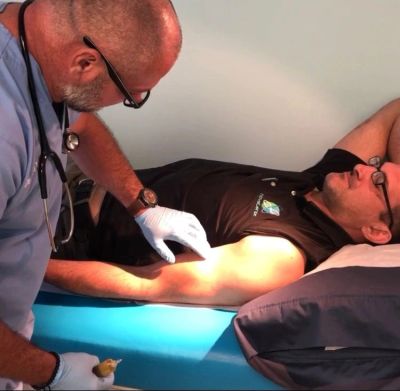
Dr. Timothy Mackey reviews the results and determines whether treatment is medically appropriate. When treatment is recommended, the plan is individualized rather than based on a single standard protocol.
Follow-up visits and repeat laboratory testing help assess response, guide adjustments, and monitor safety. Men who want to preserve fertility should discuss that goal before beginning testosterone therapy.